Thursday, January 30, 2025

History of Nissan - From Humble Beginnings to Global Automotive Giant


Nissan has a rich history spanning over a century, evolving from a small manufacturer into one of the world’s largest automakers. The company has been at the forefront of innovation, engineering, and motorsports, creating some of the most iconic cars in automotive history.


Early Years: Formation of Nissan (1911–1930s)

  • 1911: Nissan's origins trace back to Kaishinsha Motor Car Works, Japan’s first automobile manufacturer, founded by Masujiro Hashimoto in Tokyo.
  • 1914: The company produced its first car, the DAT, named after its investors (Den, Aoyama, and Takeuchi).
  • 1925: Kaishinsha was renamed DAT Jidosha Seizo Co., Ltd., continuing to manufacture small trucks and passenger cars.
  • 1931: The company introduced a smaller car called the Datson ("Son of DAT"), which was later changed to Datsun (to avoid the negative meaning of "son" in Japanese).
  • 1933: Jidosha-Seizo Co., Ltd. was established and took over the automobile division of Tobata Casting Co.
  • 1934: The company changed its name to Nissan Motor Co., Ltd., officially marking the birth of Nissan.
1914 DAT


Pre-War Expansion and Wartime Production (1930s–1945)

  • 1935: Nissan became Japan’s first automaker to mass-produce cars at its Yokohama plant.
  • 1936: The company started producing trucks and military vehicles for the Japanese Imperial Army.
  • World War II: Nissan’s factories were repurposed to build military vehicles, airplanes, and engines. After the war, many of its facilities were damaged or repurposed by Allied forces.

Post-War Recovery and Growth (1945–1960s)

  • After Japan's surrender in 1945, Nissan struggled to rebuild but resumed automobile production.
  • 1950s: Nissan expanded into passenger cars, producing models like the Datsun 110 and Datsun 210, which were exported to the U.S. and gained popularity.
  • 1958: The Datsun 210 won the Australian Mobilgas Rally, showcasing Nissan’s engineering capabilities.
  • 1960: Nissan established Nissan Motor Corporation U.S.A., marking its official entry into the American market.
  • 1966: Nissan merged with Prince Motor Company, gaining access to advanced technology and models like the Skyline and Gloria.

Datsun 110


1958 Datsun 210

Nissan Prince Skyline


1966 Nissan Gloria


The Golden Era: Nissan's Rise to Global Success (1970s–1980s)

  • 1969: Nissan launched the Datsun 240Z, a legendary sports car that became a global success, competing with European rivals like Porsche.
  • 1970: Introduced the Nissan Sunny (Datsun 1200) and Nissan Bluebird, which became bestsellers.
  • 1973 Oil Crisis: Nissan shifted focus to fuel-efficient compact cars, increasing its global presence.
  • 1981: The Datsun name was phased out, and all models were rebranded under Nissan.
  • 1984: Nissan built its first U.S. manufacturing plant in Smyrna, Tennessee.
  • 1989: Nissan launched Infiniti, its luxury brand, to compete with Toyota's Lexus and Honda’s Acura.

1969 Datsun 240Z

Nissan Sunny (Datsun 1200)


Nissan Bluebird 510


Challenges and Innovation (1990s–2000s)

  • 1990s: Nissan struggled with financial issues due to economic downturns and a bloated product lineup.
  • 1999: Nissan formed an alliance with Renault, with Renault acquiring a 44.4% stake.
  • Carlos Ghosn, Renault’s executive, became Nissan’s CEO and led a major turnaround by cutting costs, reducing debt, and launching successful new models.
  • 2000s: Nissan rebounded with hit models like the Nissan Altima, Nissan X-Trail, and Nissan Murano.
  • 2007: Launched the Nissan GT-R (R35), bringing the Skyline GT-R’s performance heritage to a global audience.
2000 Nissan Altima


Nissan Murano

Nissan GT-R (R35)


Modern Era: Electrification and Alliance Growth (2010s–Present)

  • 2010: Nissan introduced the Nissan LEAF, the world’s first mass-produced electric car, leading the EV revolution.
  • 2016: Nissan acquired a controlling 34% stake in Mitsubishi Motors, forming the Renault-Nissan-Mitsubishi Alliance.
  • 2018: Carlos Ghosn was arrested on financial misconduct charges, leading to a leadership crisis at Nissan.
  • 2020s: Nissan refocused on electrification and autonomous driving, with new models like the Nissan Ariya (EV SUV).
  • 2022: The company announced its "Nissan Ambition 2030" strategy, aiming for carbon neutrality and advanced EV technology.

Nissan LEAF, the world’s first mass-produced electric car


2023 Nissan Ariya (EV SUV)


Legacy and Achievements

✅ Innovative technology (First mass-produced EV with the Nissan LEAF)
✅ Performance heritage (Skyline GT-R, Z series)
✅ Global reach (Manufacturing plants in the U.S., Europe, China, and beyond)
✅ Pioneering in motorsports (Le Mans, Super GT, Rally racing)

Despite challenges, Nissan remains one of the world's top automakers, continuously evolving toward a future of electric and autonomous vehicles.


History of Mitsubishi Motors - A Legacy of Innovation and Challenges


Mitsubishi Motors is one of Japan’s most well-known automakers, with a history that traces back over a century. It evolved from a shipping company into a global car manufacturer, contributing significantly to Japan’s industrial and automotive development.


Early History: Mitsubishi's Roots (1870–1917)

  • 1870: The Mitsubishi Group was founded by Yataro Iwasaki as a shipping company, Mitsubishi Shokai.
  • Over time, Mitsubishi expanded into various industries, including mining, banking, and heavy industries.
  • 1917: Mitsubishi built Japan’s first mass-produced car, the Mitsubishi Model A, a hand-built luxury car based on the Fiat Tipo 3. However, due to high production costs, it was discontinued after 22 units.
Mitsubishi Model A, Japan’s first mass-produced car 


Growth in the Automotive Sector (1930s–1945)

  • Mitsubishi’s automobile division started focusing on commercial vehicles.
  • 1934: Mitsubishi Heavy Industries (MHI) developed the PX33, Japan’s first prototype 4WD passenger car, commissioned for military use.
  • World War II (1939–1945): Mitsubishi produced military aircraft, including the famous Mitsubishi A6M "Zero" fighter plane. After the war, Japan's industrial sector, including Mitsubishi, was dismantled and restricted.
Mitsubishi PX33, Japan’s first prototype 4WD passenger car


Post-War Recovery and Expansion (1950s–1970s)

  • After WWII, Mitsubishi Heavy Industries was split into three separate companies by the Allied Forces.
  • 1953: Mitsubishi returned to automobile production with the Mitsubishi Jeep, a licensed version of the Willys Jeep.
  • 1960: Mitsubishi introduced the Mitsubishi 500, its first passenger car, designed to meet Japan’s growing demand for affordable vehicles.
  • 1962: Launched the Colt 600, followed by the Colt 1000 (1963) and Colt 1100 (1966).
  • 1970: Mitsubishi Motors Corporation (MMC) was officially established as an independent automobile company, separating from Mitsubishi Heavy Industries.
Mitsubishi Jeep, a licensed version of the Willys Jeep


Mitsubishi 500, designed to meet Japan’s growing demand for affordable vehicles.


Mitsubishi Colt 1100 (1966)


International Expansion (1970s–1990s)

  • 1971: Mitsubishi partnered with Chrysler, which acquired a 15% stake. Mitsubishi models like the Dodge Colt were rebadged and sold in the U.S. under Chrysler brands.
  • 1973: Introduced the Lancer, followed by the Galant, both of which became successful globally.
  • 1980s: Mitsubishi expanded further into the U.S. market, establishing Mitsubishi Motors North America (MMNA) in 1981.
  • 1982: Launched the Mitsubishi Pajero (Montero/Shogun), an off-road SUV that gained global popularity and won the Dakar Rally multiple times.
  • 1989: Mitsubishi became a top contender in the performance car market with the Mitsubishi Eclipse and Mitsubishi GTO (3000GT).

Dodge Colt were rebadged and sold in the U.S.


1973 Mitsubishi Lancer 1600GSR


1973 Mitsubishi Colt Galant GTO


1982 Mitsubishi Pajero


1989 Mitsubishi Eclipse


1990 Mitsubishi 3000GT


Peak Success and Challenges (1990s–2000s)

  • 1990s: Mitsubishi became Japan’s fourth-largest automaker.
  • 1992: Introduced the Mitsubishi Lancer Evolution (Evo), which became legendary in rally racing.
  • 2000: Faced a major recall scandal when it was discovered that the company covered up vehicle defects for decades. This severely damaged Mitsubishi’s reputation and finances.
  • 2003: DaimlerChrysler acquired a controlling stake but later pulled out in 2005, leaving Mitsubishi financially vulnerable.
  • 2000s: Sales declined, and Mitsubishi struggled to compete with Toyota and Honda.

1992 Mitsubishi Lancer Evolution


Recent Years and Nissan Alliance (2010s–Present)

  • 2016: Mitsubishi was involved in another scandal for falsifying fuel efficiency data, further damaging its reputation.
  • 2016: Nissan acquired a 34% controlling stake in Mitsubishi, bringing it into the Renault-Nissan-Mitsubishi Alliance.
  • 2018: Mitsubishi focused on SUVs and electrification, with models like the Outlander PHEV, one of the best-selling plug-in hybrid SUVs.
  • 2020s: Mitsubishi continues restructuring, shifting towards electric and hybrid vehicles while maintaining a presence in off-road and performance segments.

2018 Mitsubishi Outlander PHEV


Legacy and Impact

Mitsubishi is known for:
✅ Pioneering 4WD technology (PX33, Pajero, Lancer Evolution)
✅ Strong rally heritage (multiple Dakar Rally wins)
✅ Innovative plug-in hybrids (Outlander PHEV)
✅ Affordable, reliable compact cars (Lancer, Mirage)

However, it has also faced multiple scandals and financial struggles that impacted its market position. Today, Mitsubishi is rebuilding under Nissan’s leadership, focusing on SUVs, electric vehicles, and emerging markets.

Thursday, December 12, 2024

2024年アマゾンで買ってよかったモノ(ガジェット)10選

2024年、私の生活を劇的に変えたガジェットたち。その中から、「これ、買って正解だった!」と思ったものをランキング形式で10個ご紹介します!どれも、日常をちょっと便利に、そして少し楽しくしてくれたアイテムばかり。さて、あなたの興味をそそるアイテムは何位に入っているでしょうか?さっそく10位から1位まで、一緒に見ていきましょう!


#10 Slopehill Professional Ionic Hair Dryer ($30)

「え、ただのドライヤー?」と思ったそこのあなた。はい、その通りです、ただのドライヤーです。実は、私がそれまで使っていたドライヤーは、20年以上前に買った激安モデル。風量?ほぼ息吹きレベル。それでも「まあ、乾けばいいか」と妥協して使い続けていましたが、ついに寿命を迎え、新しいドライヤーを購入。それを使った瞬間、目が点に。風が強い!強すぎる! 乾かす時間が短縮され、毎日の髪乾かしがストレスフリーに。20年以上知らなかった「最新ドライヤーの威力」に、まるで未来にタイムスリップした気分です。髪を乾かすのがこんなに楽しくなるなんて…。新しいドライヤーの風力が、私の日常に小さな風を吹き込んでくれました。


#9 MASTER LOCK Police Approved Bike Lock and E-Scooter Lock ($80)

次にランクインしたのは、手錠型自転車ロック!初めて使ったとき、周りから「何そのロック、どんなプレイで使うんだよ!」なんてツッコミが入りました。でもこれ、見た目だけじゃなく実用性もすごいんです。ニューヨークのような盗難多発地帯では、頑丈なロックが必須。でも頑丈なロックほど、大きくて重いのが玉にキズ。そんな中、この手錠型ロックは驚くほどコンパクトなのに強度抜群。手錠のようにパチッとかけるだけなので操作も簡単。これを使い始めてから、自転車やEスクーターでの移動が一気に快適になりました。


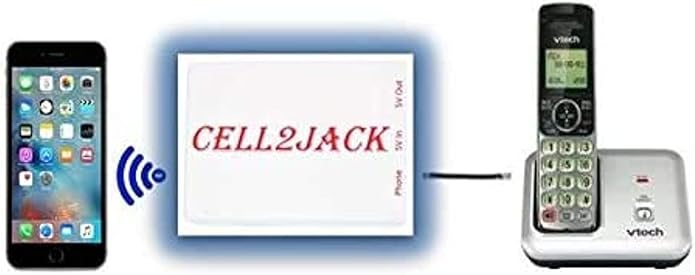
#8 Cell2jack - Cellphone to Home Phone Adapter ($35) & 

Corded Retro Phone ($40)

次にランクインしたのは、ダイヤル式電話とBluetooth接続デバイスのセット!「この時代にダイヤル式電話?」と思った方、そうです、そのレトロな電話です。でもただのインテリアじゃありません。Cell2Jackという魔法のデバイスのおかげで、携帯と固定電話を接続して実際に使えるんです!これで家にいるときは、昔懐かしいクルクル回すダイヤル式電話で通話可能。正直、実用的かどうかと聞かれるとちょっと微妙ですが、それでもこのレトロな電話が現代で復活したのがたまらなく嬉しい!電話をかけるたびに、ちょっとしたタイムスリップ気分を楽しんでいます。


#7 GoveeLife Smart Air Quality Monitor ($40)

次にランクインしたのは、室内環境モニタリングガジェット!今の時代、スマホやスマートホームで外の天気や気温は簡単に分かりますが、私の家にはセントラルヒーティングがないため、家の中の気温が謎という悩みがありました。そんな中、このガジェットが登場。気温、湿度、空気の質まで、これ1台で丸わかり!しかもWi-Fi搭載で、どこにいてもスマホで室内状況をチェックできちゃうんです。うちには2匹の猫がいるので、私が外出中でも部屋の環境を管理できるようになり、ネコちゃんたちはいつも快適ライフ。これがあれば、人間も猫もハッピーです!


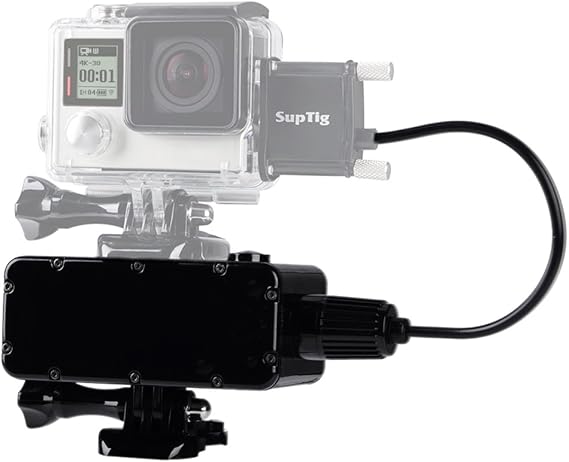
#6 Suptig 5200mAh Waterproof Power Bank ($25)

GoPro用マウント付きバッテリーパック!野球の試合をGoProで撮影している私にとって、これが救世主のようなアイテムでした。というのも、GoProのバッテリーは1時間しか持たないのに、試合は2時間以上。いつも外付けバッテリーパックを使っていましたが、試合中に外れて撮影が途中で止まるなんてこともしばしば。そこで登場したこのマウント付きバッテリーパック!しっかり固定されるので、もう途中で外れる心配はゼロ。シンプルだけど、これのおかげで撮影がめちゃくちゃ快適になりました。


#5 TOSHIBA Rice Cooker Small 3-Cup Uncooked ($80)

東芝の3合炊飯器!実はこれ、炊飯器2台持ちという贅沢なアイテム使いを始めたきっかけなんです。これまでは象印の5合炊飯器を長年愛用していましたが、お米以外の料理(カレーとか煮物とか)に使うことが増え、「もう1台欲しい…!」と感じるように。そして、お米専用として東芝の炊飯器を導入!その結果、料理の幅が一気に広がり、しかもなんだかご飯まで前より美味しく感じる不思議。炊飯器の2台持ちはちょっとした贅沢ですが、これが意外と便利!余裕があれば、ぜひ試してみてほしいです。

#4 8BitDo Retro 18 Mechanical Numpad ($45)

8BitDo レトロ式メカニカルテンキー!これ、長年探し求めていた「テンキーと計算機が一体化した夢のアイテム」です。ついに見つけたときの感動といったら!数字入力に欠かせないテンキーが、ボタンひとつで計算機に早変わり。これのおかげで作業効率が確実にアップしました。そして何より、レトロなファミコン風デザインが超ツボ。見た目よし、使い勝手よし、テンキー愛用者なら絶対に手に入れるべき一品です!仕事を効率的に進めながら、ちょっとした懐かしさを感じられるこのテンキー、**「テンキーと計算機の二刀流」**であなたのデスクもレベルアップ間違いなし!


#3 SAMSUNG Galaxy FIT 3 ($65)

そしてトップ3にランクインしたのは、サムスン Galaxy Fit 3 ヘルストラッカー!長年Fitbitを愛用してきて、これまでに5〜6台は使い倒してきましたが…壊れる、壊れる。もう「ヘルストラッカー難民」状態で、ついにスマートウォッチに手を出してみたものの、大きすぎて腕に着けてる違和感がハンパない!(これ、慣れるものなんですかね?)そんなときに出会ったのがこのGalaxy Fit 3。これが大正解!軽くて腕にしっかりフィットし、まるで何もつけてないような感覚。ヘルストラッカーとしての性能も文句なしで、**「つけてることを忘れるヘルストラッカー」**という理想を見事に実現してくれました。一日中つけても気にならないって、これ本当に大事です!


#2 TourBox Lite ($99)

第2位にランクインしたのは、今話題の左手デバイス、TourBox Lite!これ、動画編集をする人にとってはまさに救世主的なアイテムです。特徴は、2つのスクロールホイールと6つの個性的なボタン。それぞれ形が違うので、目で確認しなくても手触りだけでどのボタンか分かる優れもの。これでブラインド操作がバッチリ決まります!使い始めてから、動画編集の作業効率が驚くほどアップ。面倒だった操作がスムーズになり、作業時間も大幅短縮です。動画編集者にとっては、「一度使ったら手放せない!」そんな魔法のようなデバイスです。
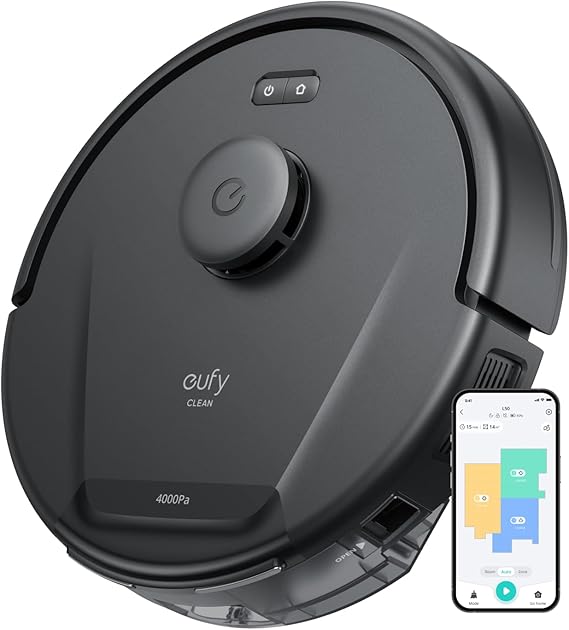


#1 eufy L50 Robot Vacuum ($125)


そして栄えある第1位に輝いたのは、eufy L50 Robot Vacuumのお掃除ロボット!これ、私の生活を完全に革命しました。これまでは、部屋が目に見えて汚れてきたらダイソンを引っ張り出して一気に掃除するスタイル。でもこのロボットを導入してから、毎日自動で掃除を任せるようになったら…あれ?部屋ってこんなに汚れてたの!? 小さなゴミ、ホコリ、ネコの毛が、毎日毎日どんどん取れる!驚きの発見です。そのおかげで、今や部屋は人生で一番クリーンな状態に。掃除の手間が減ったどころか、部屋全体がピカピカになり、心までスッキリ。これは間違いなく、私の生活感を劇的に変えたNo.1ガジェットです!


ということで、2024年アマゾンで買ってよかったモノ10選をご紹介しましたが、いかがでしたでしょうか?どれもあくまで私の個人的なチョイスですが、それぞれが私の生活に小さな革命をもたらしてくれた逸品ばかりです。

来年もきっとアマゾンで新しいガジェットを発掘し、さらに生活をアップデートしていく予定なので、また面白いアイテムを見つけたらシェアします!さて、次はどんな未来を運んできてくれるのでしょうか?2025年のガジェットライフも、今からワクワクが止まりません!